
Beyond the Sirens: Paramedics Redefining Community Health
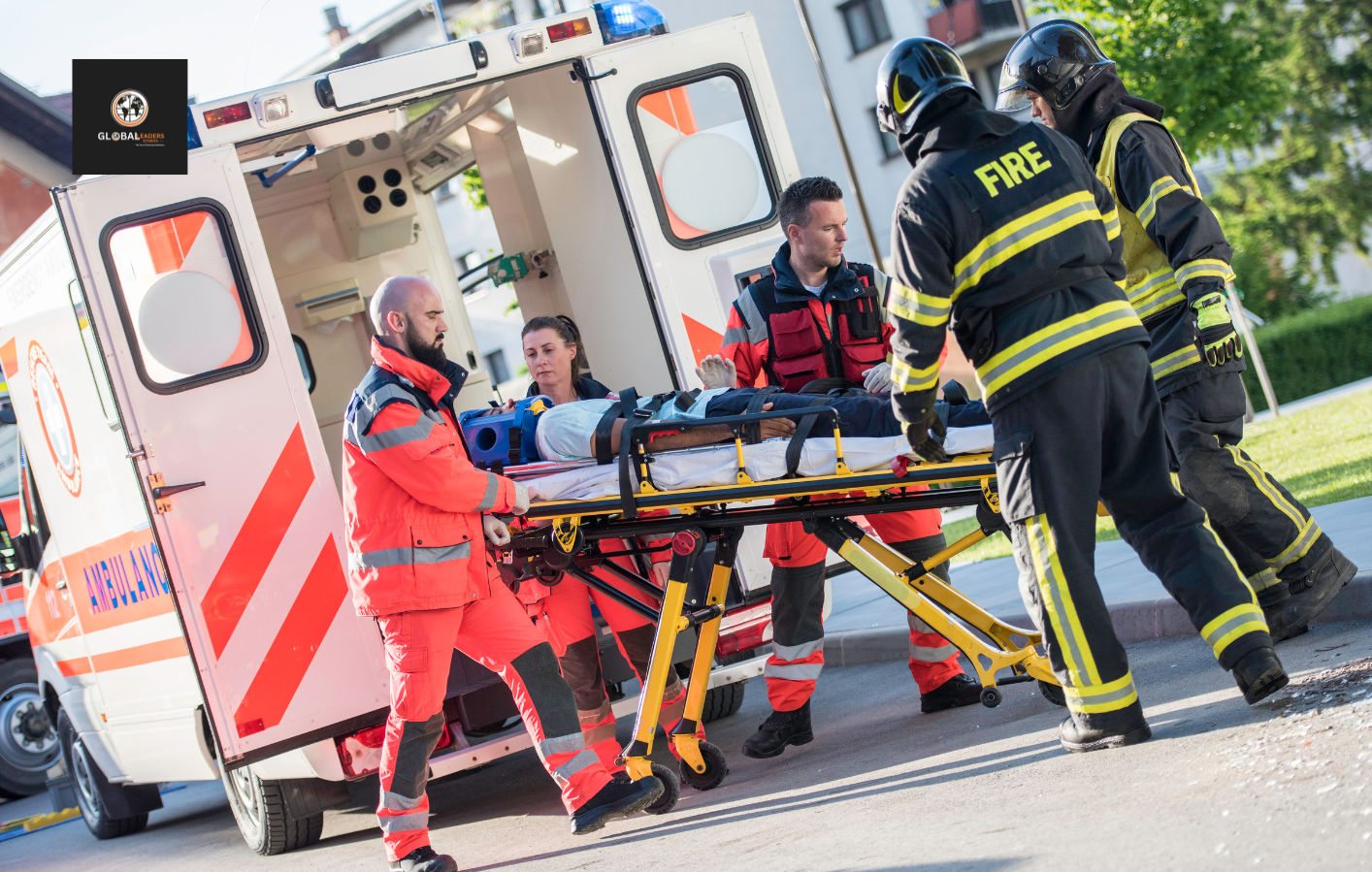
Paramedics have always been associated with urgency—the quick arrival, the flashing lights, the fast decisions that can change a life in minutes. But today, their work is stretching far beyond those moments of crisis. Across many communities, paramedics are stepping into quieter, everyday roles that shape health long before an emergency ever happens. This shift is transforming how people receive care and how communities stay healthy, especially in places where access to regular medical support is limited.
In this article, we look closely at how paramedics are becoming part of community health in new and meaningful ways, how their responsibilities are expanding, and why this change matters now more than ever.
Paramedics Beyond the Traditional Role
The traditional image of a paramedic is someone who arrives when everything has already gone wrong. But healthcare is changing, and the needs of communities are changing with it. Many people live with chronic conditions that require regular monitoring. Others struggle to reach clinics or find a family doctor. As a result, paramedics are now being asked to fill these gaps.
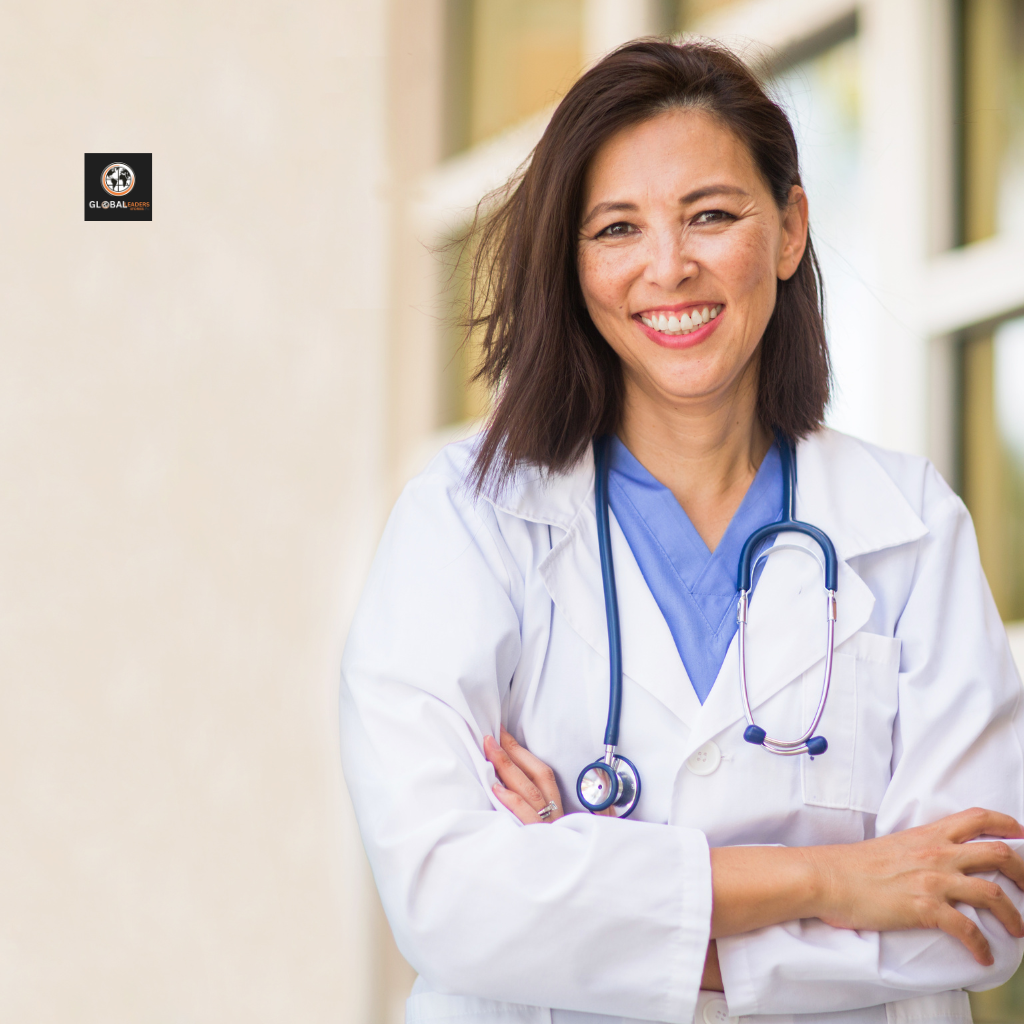
Instead of only responding to 911 calls, many paramedics are visiting patients in their homes, sitting with them, hearing their concerns, and catching early signs of trouble. These visits are not rushed. They allow time to understand how a person is living day by day, which often reveals things that can’t be seen in a hospital room. This kind of care helps people stay healthier for longer, and it gives paramedics a new role as a steady, supportive presence in their communities.
Helping People Manage Long-Term Conditions
For people living with conditions like heart failure, diabetes, or chronic breathing problems, small changes can be warning signs that something worse is coming. Paramedics are now helping catch these early signals. A simple check-in—a blood pressure reading, a conversation about symptoms, a look at medications—can prevent a hospital visit that might have happened only days later.
Because paramedics are trained to recognize subtle shifts in a person’s condition, they often notice issues long before they become emergencies. Their involvement creates a sense of reassurance. Patients feel less alone, and families know someone is watching out for their loved ones. This ongoing support makes a significant difference in long-term health and helps reduce avoidable trips to the hospital.
A Gentler Approach to Mental Health Crises
Mental health needs are rising everywhere, and paramedics are often the first ones called when someone is in distress. Recognizing this, many paramedics are now receiving additional training that helps them approach these situations with greater sensitivity and calm.
Rather than simply transporting someone to an emergency department, paramedics can take time to de-escalate the situation, talk through what the person is experiencing, and guide them toward appropriate support. These encounters are often quiet, compassionate moments—very different from the intense emergencies people typically imagine. This shift is helping communities respond to mental health needs with more understanding and care.
Technology Bringing Care Closer to Home
New tools are also making this expanded role possible. Paramedics now carry portable devices that can run tests right inside a patient’s home. They can share results instantly with doctors, get guidance through video consultations, or send updates through secure digital systems that keep everyone involved and informed.
This technology gives paramedics the ability to provide high-quality care in familiar settings. It removes barriers for people who cannot easily travel and creates a smooth connection between home-based care and the larger healthcare system. As a result, paramedics can act quickly, confidently, and with a level of precision that once required a hospital visit.
Strengthening Communities One Home at a Time
The impact of this evolving role is being felt across entire communities. When paramedics help manage health issues early, emergency departments become less crowded and more available for true emergencies. People who once relied on ambulances for basic health concerns now have someone they can talk to regularly. And vulnerable groups—such as older adults or people living alone—gain a sense of safety knowing help is only a visit away.
These changes build stronger, more resilient communities. Paramedics become trusted figures, not just in moments of crisis but as familiar faces who understand the rhythm of a neighbourhood and the needs of the people living there.
Conclusion
Paramedicine is entering a new chapter—one defined not only by rapid response but by presence, connection, and ongoing care. Paramedics are proving that health is not just protected in emergencies; it is built slowly, through attention, consistency, and trust. Their expanding role shows what is possible when healthcare moves beyond clinic walls and into the places where people live their lives.
The future of paramedicine is no longer just about responding to crises. It’s about preventing them, supporting people in ways that feel personal and human, and strengthening the health of entire communities. And in this quiet, meaningful work, paramedics are redefining what community care truly looks like.